Orbital Threat: Western Intelligence Warns of Russian Plans to Deploy Nuclear Weapons in Space
Russia is reportedly preparing to launch 'Sputnik-C,' a satellite equipped with a nuclear warhead capable of disabling global communication and navigation systems this year.
 🧠AI Analysis
Photo: UNIAN
Key points
- Russia has prepared the 'Sputnik-C' nuclear satellite for launch.
- An orbital explosion could disable communication and GPS systems for months.
- Russia has pre-mapped sea routes to operate without satellite navigation.
Western intelligence agencies, including Germany's Federal Intelligence Service (BND) and the Bundeswehr, are raising alarms over a new phase of space militarization by Moscow. According to intelligence reports, Russia has completed the development of a specialized spacecraft named 'Sputnik-C' and is preparing to deploy it into low Earth orbit (LEO). This satellite is reportedly equipped with a nuclear explosive device intended to target orbital infrastructure.
Global Infrastructure at Risk
Experts warn that a nuclear detonation in orbit would have catastrophic consequences for civilian life on Earth. Such an explosion would generate a powerful electromagnetic pulse (EMP) and a radiation belt capable of disabling most satellites in the vicinity within months. This would effectively paralyze global positioning systems (GPS), satellite telecommunications, internet networks, and meteorological monitoring.
"If a nuclear warhead were to explode in low Earth orbit, hardly anything on Earth would function smoothly," analysts noted in reports shared among NATO members.
Strategic Preparation and Provocations
A notable detail is that Russia appears to have been preparing for this scenario for years. Russian research vessels have recently conducted high-precision mapping of the seabed, particularly in the Baltic Sea. This allows their naval forces to navigate without relying on satellite signals, whereas Western nations are heavily dependent on space technology for intelligence and operational command.
Furthermore, suspicious maneuvers in space are already being recorded. In October, the Russian satellite 'Cosmos-2612' performed a dangerous close approach to the American ICEYE-X36 satellite, which provides imaging support for the Ukrainian military. Such actions are viewed as tests of Russia's ability to interfere with Western space assets. LeoLabs experts emphasize that such encounters at speeds exceeding 27,000 km/h are extremely rare and appear to be deliberate provocations.
Source UNIAN — unian.ua/weapons/rosiya-planuye-rozgornuti-yadernu-zbroyu-v-kosmosi… ↗
Read next
 💡Tech
Signal Messenger Restricts Screenshots to Counter AI Agent Surveillance
The secure messaging app Signal is implementing screenshot restrictions on iOS and Android to protect user privacy from newly integrated AI assistant systems.
 🛡️Security
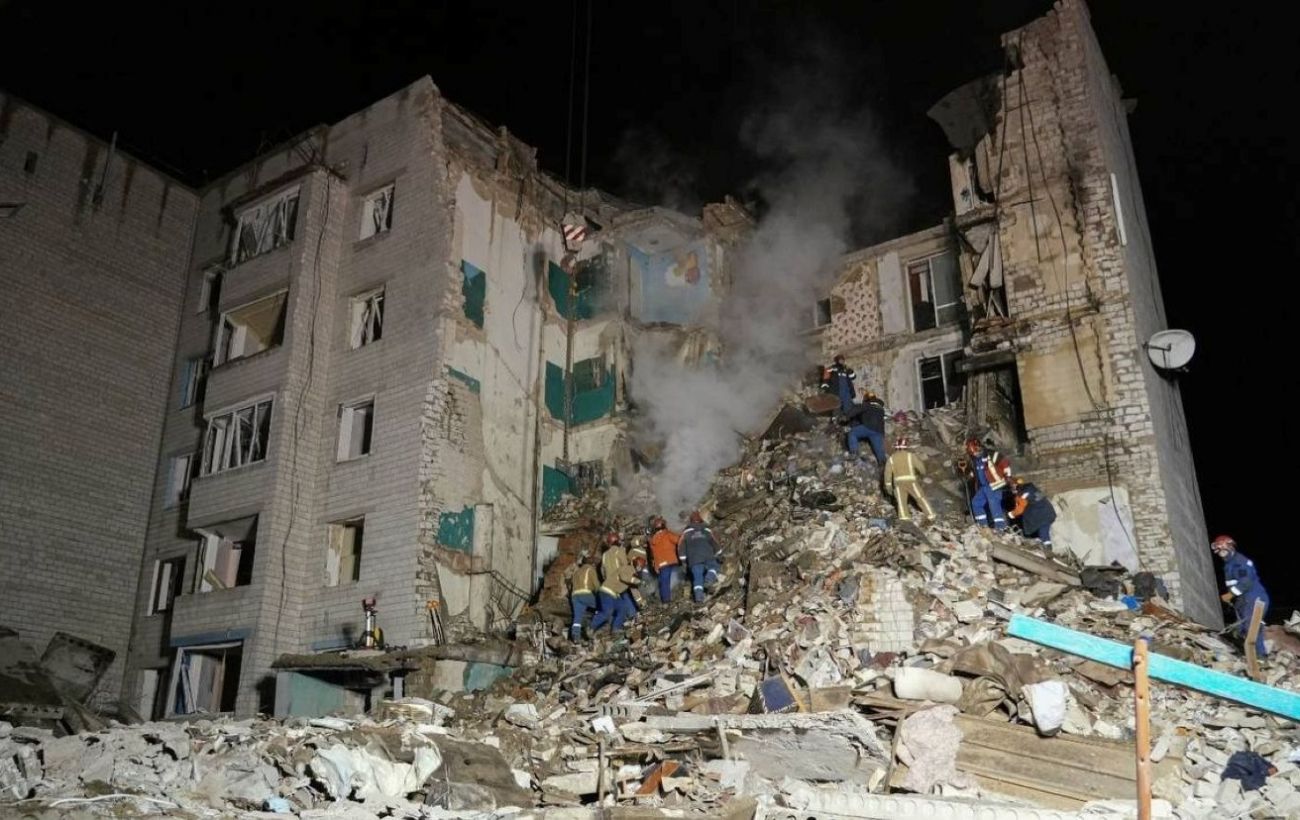
Strike on Dymer Residential Building Kills 11 People
The death toll from a Russian drone strike on a residential apartment building in Dymer, Kyiv region, has risen to 11, with rescue operations lasting all night.
 🏛️Politics
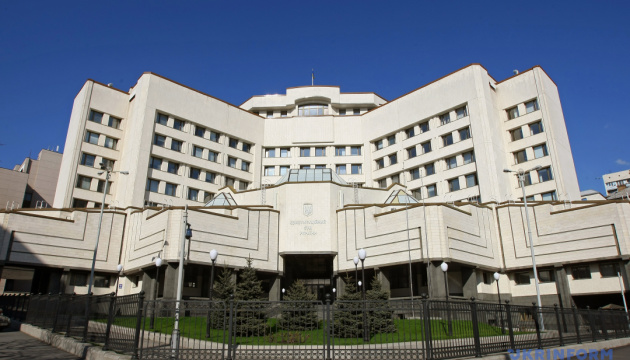
Ukraine's Constitutional Court on Brink of Quorum Loss as Judge Count Drops to 12
The retirement of Judge Horodovenko has left the Constitutional Court with the bare minimum of 12 judges required for the Grand Chamber, effectively halting the work of t…
 🚨Events
Winter weather and frosts: forecasters predict a sharp change in weather across Ukraine
A significant cold snap, snowfalls, and sub-zero temperatures are expected in Ukraine this week.
 🚨Events
Ukraine's Energy System Under Attack: One Hundred Strikes Recorded in a Week
Over the past week, Russian forces launched about a hundred targeted strikes on Ukraine's energy sector. The situation remains most critical in the Odesa and Dnipropetrov…
 🎭Culture & Sport
Poland Plans to Restrict Social Media Access for Children Under 15
The Polish Ministries of Education and Digitalization have prepared a draft law to ban social media access for children under 15 with strict age verification.