Is Fasting Before Blood Tests Necessary? New Scientific Findings Challenge Old Rules
A study of 121 routine laboratory tests suggests that for most markers, fasting for 8-12 hours does not significantly impact the accuracy of results.
 🩺Health
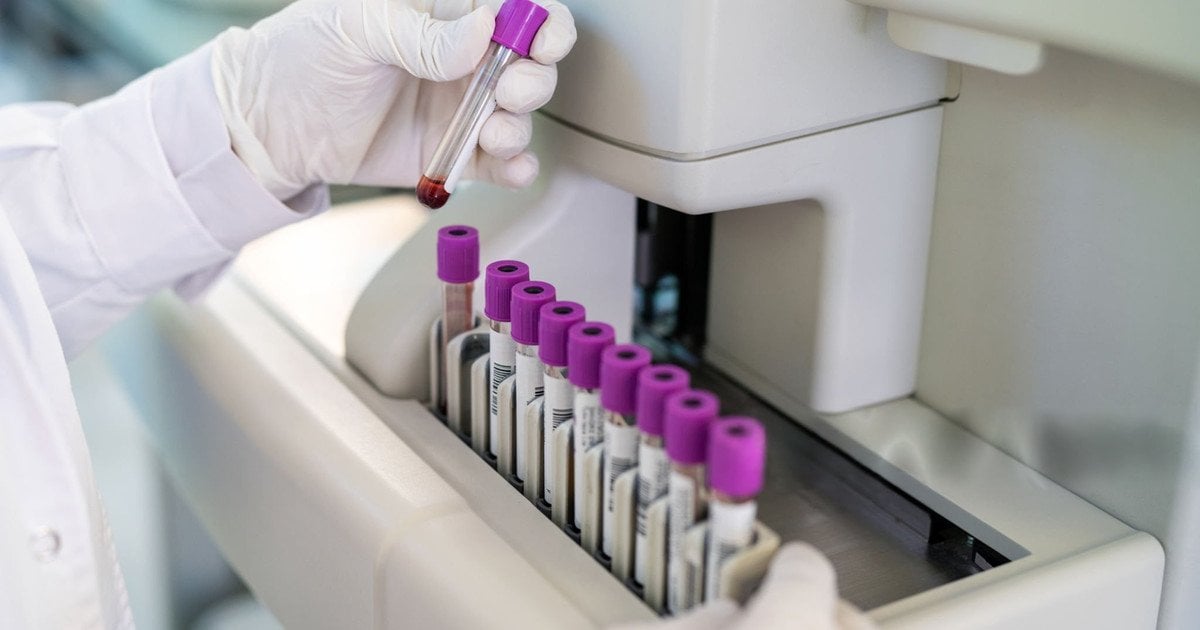
Photo: TSN
Key points
- Fasting is not clinically significant for most routine blood markers, including liver and kidney functions.
- Significant changes post-meal were only observed in glucose, triglycerides, and lipase levels.
- Excessive fasting (over 12 hours) does not improve accuracy and may cause physical stress.
For decades, patients at medical facilities in Nadvirna and worldwide have been routinely advised to fast for 8 to 12 hours before having their blood drawn. However, a comprehensive new study suggests that this long-standing requirement may be unnecessary for the majority of common lab tests. Researchers analyzed 121 routine laboratory markers and found that fasting duration had little to no clinical impact on most of them.
Stable Markers and Exceptions
The study revealed that results for complete blood counts, kidney function tests, electrolyte levels, and most liver enzymes remained consistent regardless of how long patients had abstained from food. Out of the 121 tests examined, only 10 showed differences that exceeded the acceptable limits of clinical error when patients had eaten recently.
- Glucose: Levels were 10.8% higher if fasting lasted less than 8 hours.
- Triglycerides: Showed a 20.1% increase post-meal.
- Lipase: This pancreatic enzyme increased by 36.4% after eating.
Patient Comfort and Future Protocols
Researchers also noted that fasting for longer than 12 hours provided no additional accuracy and often caused unnecessary patient discomfort. In fact, glucose levels dropped by approximately 4.3 mg/dL for every additional hour of fasting, which could potentially lead to misleading diagnostic data. The scientific community is now considering moving away from a universal fasting rule in favor of specific guidelines for individual tests.
"To change current medical recommendations, further studies involving participants from different countries are required," the researchers stated.
While these findings are promising, residents of the Nadvirna community should not change their preparation habits without consulting their physician. Until official medical protocols in Ukraine are formally updated, it remains essential to follow the specific instructions provided by local clinics or diagnostic centers in Nadvirna.
Source TSN — tsn.ua/zdorovya/chy-spravdi-krov-dlia-analizu-potribno-zdavaty-natshche… ↗
Read next
 🇺🇦Ukraine
Poland Demands NATO Air Defense Reinforcement After Russian Missile Incident
Following the breach of Polish airspace by Russian missiles, Warsaw is convening the North Atlantic Council to strengthen the alliance's eastern flank.
 🇺🇦Ukraine
Slovak Minister Claims Ukrainians Behind 1968 Prague Spring Crackdown: Facts and Reaction
Slovak Foreign Minister Juraj Blanár claimed that Ukrainians were behind the 1968 Soviet invasion of Czechoslovakia, drawing sharp criticism and historical refutations.
 🏙️City
Fresh Energy Strikes: Naftogaz Facilities Targeted in Dnipropetrovsk and Zaporizhzhia Regions
Russian forces launched a guided bomb attack on a gas facility in the Dnipropetrovsk region and targeted two filling stations in Zaporizhzhia, leaving several workers inj…
 👥Society
Poultry Productivity: Which Chicken Breeds Lay the Most Eggs
Experts analyze the laying performance of various chicken breeds, eggshell coloration genetics, and dietary requirements for poultry.
 💡Tech
China Completes Unique High-Altitude Bridge Over Deep Canyon
Construction workers in Guizhou province have finished joining the massive Gunyuhe bridge, spanning a deep canyon at a height of about 400 meters.
 🚨Events
Casualties Rise After Strike on Kyiv Region Town of Dymer
The death toll from a hostile drone strike on an apartment building in Dymer, Kyiv region, has risen to three. Rescuers continue clearing debris amid ongoing air raid ale…