The History of the Calendar: Why January 1st Became the Start of the Year
We explore how the modern New Year tradition was formed and why January became the first month of the calendar.
 🩺Health
Photo: TSN
Key points
- Julius Caesar established January 1st as the start of the year.
- The Gregorian calendar standardized chronology in 1582.
- The month's name originates from the god Janus.
The tradition of celebrating the New Year on January 1st has deep historical roots dating back to Ancient Rome. Although this date is now generally accepted by most countries, humanity has come a long way toward unifying the calendar system.
From Ancient Civilizations to Calendar Reform
In ancient times, the beginning of the year was often linked to natural cycles, such as river floods or the spring equinox. The Babylonians celebrated Akitu, while the Egyptians followed the Nile. However, it was Julius Caesar who, in 46 BC, established January 1st as the official start of the year, dedicating the month to Janus, the god of transitions and new beginnings.
Throughout the Middle Ages, European countries used various dates to mark the new year, including religious holidays. Final stabilization occurred after the introduction of the Gregorian calendar by Pope Gregory XIII in 1582, which became the basis for modern civil chronology.
Source TSN — tsn.ua/tsikavinki/koly-sviatkuiut-novyy-rik-chomu-data-prypadaye-na-1-s… ↗
Read next
 👥Society
Planning Garden Tasks: How to Effectively Use Weather Forecasts
Effective management of a household plot requires the consideration of meteorological data to optimize irrigation, sowing, and plant protection.
 🇺🇦Ukraine
US calls on Ukraine and Russia to end strikes on energy and maritime logistics
Washington demands an end to attacks on energy infrastructure and commercial shipping in the Black Sea due to threats to global food security.
 💡Tech
Energy Innovation: Chinese Scientists Develop Lotus Stem Battery
Researchers have created a unique bio-generator that produces electricity through water evaporation within plant channels.
 🚌Transport
Service vs. Street Taxis: TV Host Shares Experience with Ride-Hailing Apps
TV presenter Anastasiya Daugule shared her experience using taxis in Lviv and Kyiv, comparing prices between street drivers and ride-hailing apps.
 🛡️Security
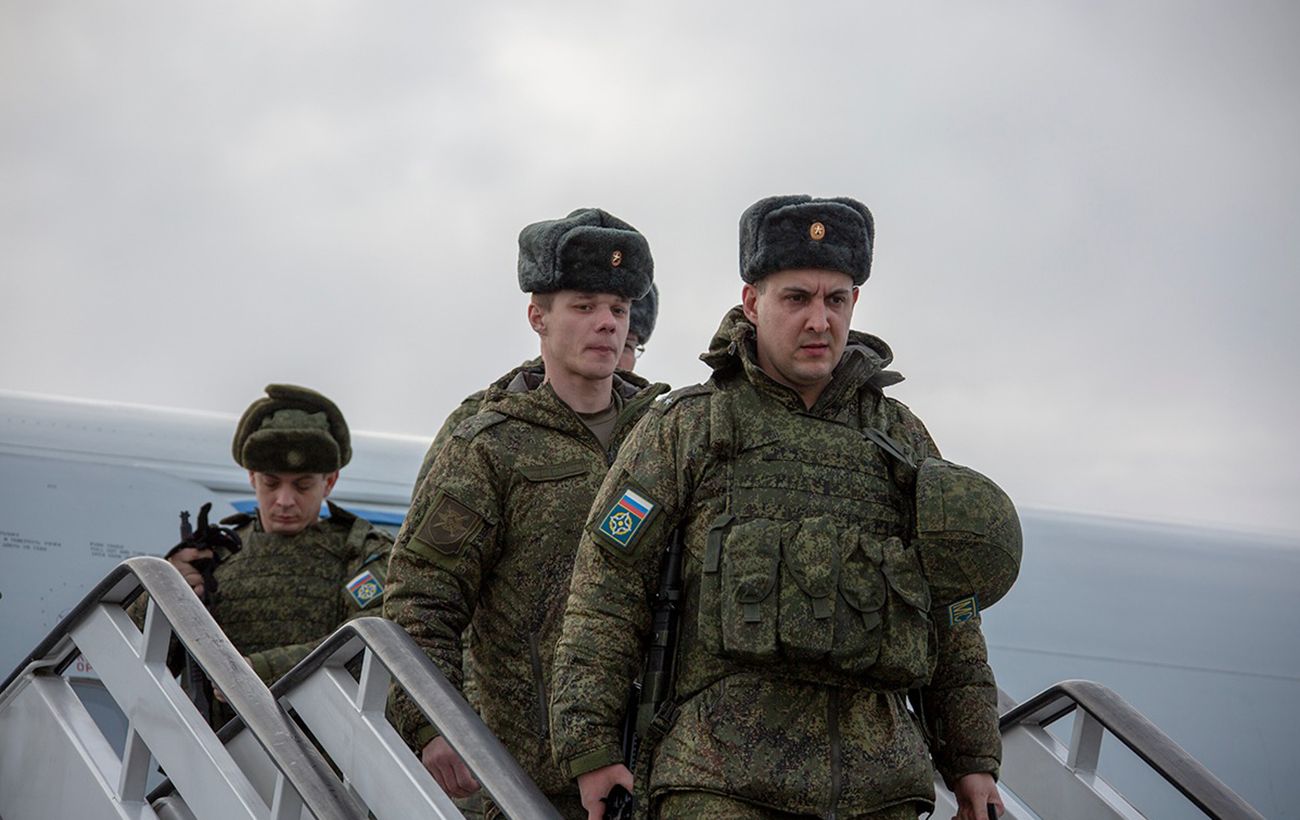
Russian casualty statistics: over 92% of Russian military deaths are combat-related
Analysis of leaked Rosstat data reveals that the vast majority of deaths in the Russian army since 2022 are directly linked to combat operations.
 🛡️Security
NATO considers bolstering eastern flank following Russian missile incidents in Poland
The Alliance is discussing the deployment of additional forces in Europe in response to the violation of Polish airspace by Russian objects.