Study Projects Shift in Global Religious Landscape: Muslims May Outnumber Christians
According to Pew Research Center projections, Muslims could become the world's largest religious group by 2035 due to higher birth rates.
 👥Society
Photo: UNIAN
Key points
- Muslims could become the world's largest religious group by 2035.
- Higher fertility rates and a younger median age are the primary drivers of growth.
- The global Muslim population is projected to exceed 3.6 billion by 2070.
Over the coming decades, the global demographic and religious landscape is set to undergo significant transformations. According to projections by the American research organization Pew Research Center, Muslims are likely to become the largest religious group in the world by 2035, surpassing Christians in total population. While both religious communities will continue to grow, the Muslim population is expanding at a notably faster pace.
Demographic Drivers of Global Changes
Analysts point to demographic specificities as the primary cause of these shifts. Specifically, Muslims exhibit the highest fertility rates among major religious groups: between 2020 and 2025, the average fertility rate for Muslim women stood at 3.1 children, compared to 2.0 for non-Muslim women. Additionally, age structure plays a crucial role, with the median age of Muslims standing at 24 years in 2020—nearly a decade younger than the median age of those belonging to other faiths or unaffiliated individuals.
"A younger population has a greater potential for natural population growth," researchers note in the report "The Future of World Religions: Population Growth Projections, 2020–2070."
Based on analytical calculations, the global Muslim population is projected to exceed 3.6 billion by 2070, while Christians are expected to number just under 3 billion. Changes will also affect other groups: the share of religiously unaffiliated people is projected to decline from 24% in 2020 to 17% in half a century. Meanwhile, the religious makeup of individual nations, such as the United States, is expected to shift away from Christian majorities.
Source UNIAN — unian.ua/world/islam-viperedit-hristiyanstvo-za-kilkistyu-poslidovn… ↗
Read next
 💡Tech
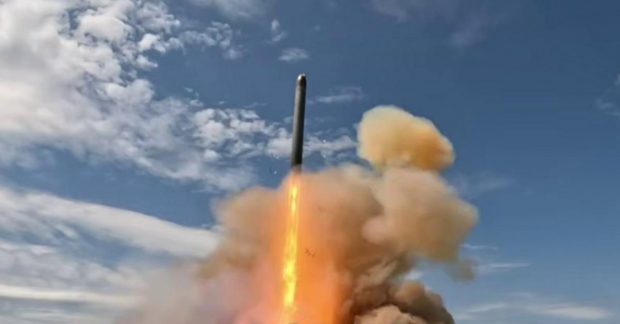
Analysts investigate Russian activity around Sarmat missile silos
Satellite imagery has captured unusual activity at Russian facilities, potentially indicating preparations for testing or deployment of the RS-28 ICBM.
 🇺🇦Ukraine
Zelenskyy and Merz discuss defense and financial support
President Zelenskyy met with German opposition leader Friedrich Merz to address air defense needs and financial stability for Ukraine.
 ⚽Sport
Ukrainian world boxing champion Kira Makohonenko turns down offer to represent USA
18-year-old junior world boxing champion Kira Makohonenko has rejected offers to change her sports citizenship, choosing to continue her career representing Ukraine.
 🚌Transport
EasyJet flight makes emergency landing after bird strike
An EasyJet passenger plane was forced to return to Bristol Airport shortly after takeoff following a technical incident.
 💡Tech
Elon Musk on the role of Starlink in providing communication for the Armed Forces of Ukraine
American billionaire Elon Musk stated that Starlink remains a critical backbone of communication for the Ukrainian army, emphasizing the system's civil purpose.
 🛡️Security
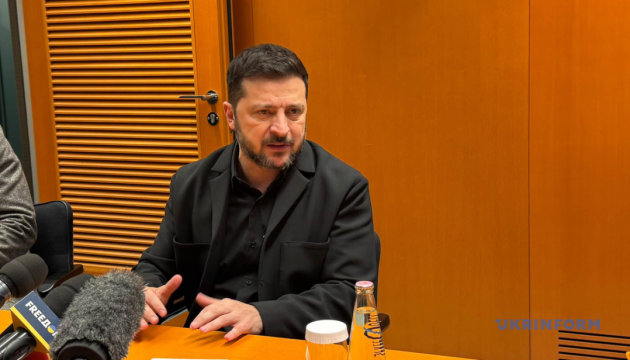
Zelensky Stresses Importance of US Pressure for Peace
The President of Ukraine stated that a real chance for ending the war depends on Washington's decisive stance toward Moscow.