Bioenergy of the future: scientists learn to generate electricity from cacti
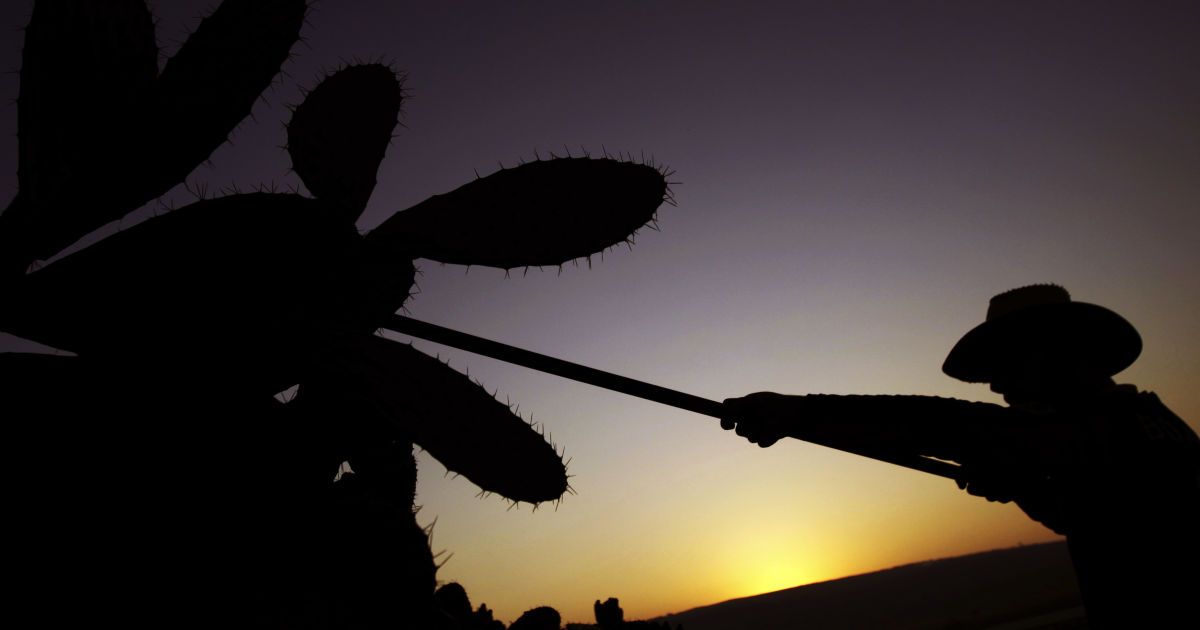
Researchers from the University of California have developed a technology that allows using prickly pear cacti as a power source for low-power sensors.
 💡Tech
Photo: TSN
Key points
- Using CAM photosynthesis for energy generation
- Generating 4.5 volts from eight cactus stems
- Prospects for agricultural technology applications
A new approach to renewable energy
Scientists from the University of California, Santa Cruz, have introduced an innovative solution in the field of alternative energy. By utilizing the unique photosynthesis features of the prickly pear cactus, a team led by Professor Michael Loik and graduate Charlie Chesney has successfully turned the plant into a type of organic solar panel.
The key to this discovery lies in a photosynthesis mechanism known as Crassulacean Acid Metabolism (CAM). This allows plants to store carbon dioxide at night, converting it into malic acid. The difference in acidity between the illuminated and shaded sides of the stem creates a pH gradient, which generates an electrical voltage.
Practical application of the technology
During experiments, researchers found that a single prickly pear stem could produce up to 0.5 volts. Connecting eight such stems yielded 4.5 volts, roughly equivalent to the power of three standard AA batteries.
- The technology could power agricultural sensors.
- Voltage measurements can be used to remotely monitor plant health.
According to the developers, this approach could enable the creation of autonomous monitoring systems in the agricultural sector, where plants themselves power sensors that track crop conditions and environmental factors.
Source TSN — tsn.ua/nauka_it/roslyna-iaka-vyrobliaye-elektryku-vcheni-zrobyly-nespod… ↗
Read next
 🛡️Security
Russian ship Sparta II still on fire in Gulf of Finland after drone attack
The Finnish Border Guard is continuing firefighting operations aboard the Russian cargo vessel Sparta II, which drifted into Finnish waters following a Ukrainian drone st…
 🧠AI Analysis
NABU and SBU conflict escalates over special forces case
The National Anti-Corruption Bureau is initiating criminal proceedings against SBU Alpha special unit fighters over the seizure of funds during last year's searches.
 🛡️Security
Aftermath of Night Drone Attack in Kyiv Region: Search Continues for Missing People in Dymer
Following a nighttime enemy drone attack on the town of Dymer in the Kyiv region, fourteen people remain out of contact. Rescuers are clearing the rubble of a partially d…
 🎭Culture & Sport
Subcarpathian Museum of Art Joins the International Carpathian Cultural Route
The Subcarpathian Museum of Art has become part of the international HICART II project, connecting cultural heritage sites across the Ukrainian and Romanian Carpathians.
 🎓Education
Theatrical Tours Abroad: Challenges Faced by Ukrainian Artists in Europe
Producer Serhii Chudaiev shares insights into organizing Ukrainian theatrical tours in Europe, audience emotions, and logistical hurdles.
 🛡️Security
Russian forces launch four drone strikes on Zhytomyr region energy infrastructure in a day
Over the past 24 hours, Russian forces carried out four drone strikes targeting energy facilities in the Zhytomyr region, attempting to cut off electricity and heating.