Microplastics in water: new study reveals hidden chemical threat
Scientists have discovered that microplastics do not just accumulate in the body but trigger chemical reactions capable of damaging cells.
 🩺Health
Photo: TSN
Key points
- Microplastics trigger the formation of reactive oxygen species in water
- Polyethylene and polypropylene were found to be the most chemically active
- Heating plastic in a microwave promotes the release of dangerous particles
The dangerous activity of plastic particles
Microplastics, which we traditionally consider passive environmental pollutants, have proven to be far more active than previously assumed. Research from Columbia University and the University of California, Berkeley, demonstrates that when in contact with ordinary water, reactive oxygen species form on the surface of plastic fragments.
These chemically active molecules, such as hydroxyl radicals, can interact with proteins and DNA. Experiments on blood cells showed that exposure to polystyrene can cause erythrocytes to change their structure and break down. Polyethylene and polypropylene showed the highest activity, as these materials repel water more effectively, creating conditions for hazardous reactions.
What this means for daily life
Sources of microplastics include not only waste but also everyday activities: washing synthetic clothing, using plastic containers in microwave ovens, or storing water bottles in direct sunlight. It is important to remember that as plastic particles break down into smaller fragments, their surface area increases, which intensifies these chemical processes.
Source TSN — tsn.ua/zdorovya/mikroplastyk-vyiavyvsia-nebezpechnishym-niz-vvazaly-shc… ↗
Read next
 🚨Events
Investigators Reveal Details of Russian Kh-101 Missile Crash in Poland
Polish investigators have established that a Russian Kh-101 cruise missile that crashed in the Lublin Voivodeship was manufactured in the fourth quarter of this year.
 🛡️Security
Frontline update: General Staff reports 131 clashes over the past day
Over the past day, 131 combat clashes were recorded along the frontline, with the highest enemy activity concentrated in the Pokrovsk and Kostiantynivka directions.
 💼Economy
Winter Greens in Nadvirna: How to Ensure an Early Harvest of Dill and Parsley
Residents of the Nadvirna community are advised to use the winter sowing method for greens to harvest several weeks earlier than usual.
 🛡️Security
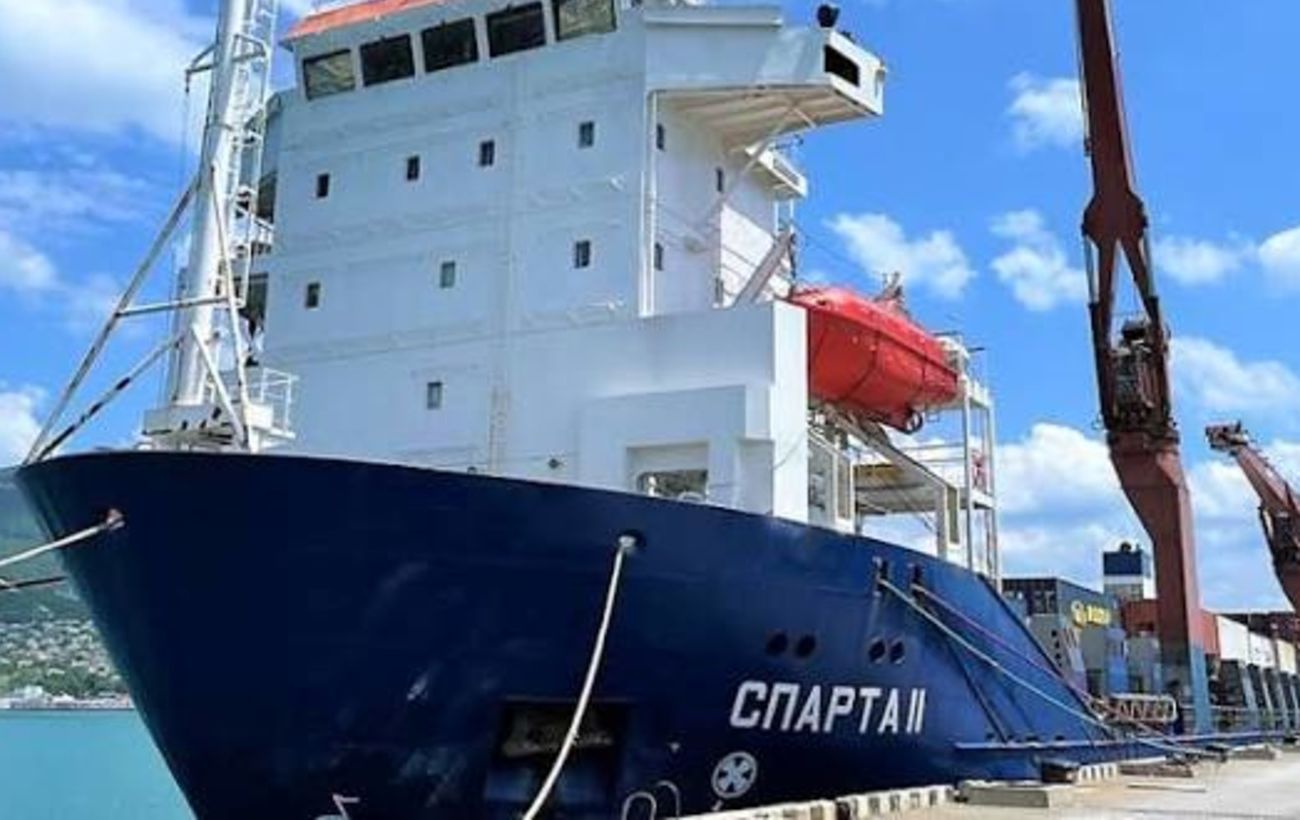
Russian ship Sparta II still on fire in Gulf of Finland after drone attack
The Finnish Border Guard is continuing firefighting operations aboard the Russian cargo vessel Sparta II, which drifted into Finnish waters following a Ukrainian drone st…
 🧠AI Analysis
NABU and SBU conflict escalates over special forces case
The National Anti-Corruption Bureau is initiating criminal proceedings against SBU Alpha special unit fighters over the seizure of funds during last year's searches.
 🛡️Security
Aftermath of Night Drone Attack in Kyiv Region: Search Continues for Missing People in Dymer
Following a nighttime enemy drone attack on the town of Dymer in the Kyiv region, fourteen people remain out of contact. Rescuers are clearing the rubble of a partially d…